A Field Test of Britain's Least Glamorous Apps — and the Ones Actually Worth Keeping
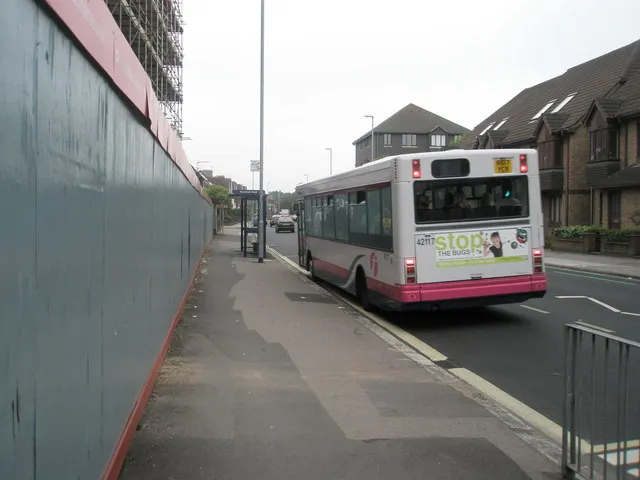
Photo: Basher Eyre, CC BY-SA 2.0, via Wikimedia Commons
Ask someone to name the apps that changed their life and you'll get the usual suspects — the ones with billboards, referral codes and glossy launch events. Ask what they actually opened on a wet Tuesday in February and the answer is far duller: a bus tracker, a bin reminder, and the thing that tells you the heating is costing 34p an hour.
We spent the past year totting up the quiet workhorses, testing them in Leeds, Bristol, a Norfolk village and — for fairness — a fortnight in London. This isn't a love letter. Several of these apps are genuinely poor at being apps. But the job they do is worth the friction.
Bins: the smallest useful category in Britain
Council waste apps are the purest example of unglamorous software doing one thing well. Where a council provides one, it usually does three things: tells you the next collection, sends a reminder, and links to reporting a missed bin or ordering a new food caddy.
Quality varies wildly. Some councils ship a proper app; others push you towards a mobile-friendly web page that works fine and needs no installing; a depressing number have an app last updated in 2022 that still demands permissions it has no business requesting. Ours asked for permanent location access. For a bin calendar. We denied it and the app worked perfectly.
Verdict: install it if your council has one, deny every permission except notifications, and skip the app entirely if the council website behaves on a phone. Nothing here justifies push alerts about 'service updates' you never asked for.
Buses: real-time data is a postcode lottery
Outside London, bus tracking is where the gap between expectation and reality is widest. Operator apps from First Bus, Stagecoach and Arriva have improved, and where genuine live vehicle data exists, a decent tracker turns a 20-minute wait at a shelter into eight minutes in a warm café.
The trouble is coverage. Rural routes often dress timetables up as live data, which is worse than nothing because it teaches you to trust it. Third-party trackers and community sites fill some gaps, and in Scotland, Wales and Northern Ireland you'll generally want operator-specific apps rather than a national one. Citymapper remains excellent but is London-weighted; elsewhere it's more journey planner than live tracker.
Verdict: worth installing if you commute by bus and your route has real GPS data. Test it against the actual bus for a week before trusting it with your mornings.
Health: the NHS App and the pharmacy question
The NHS App has quietly become the most consequential piece of consumer software in the country, largely because it is now the route to repeat prescriptions, test results and GP messaging. It isn't elegant, but it is the one case where 'just use the website' no longer covers everything — some GP services only surface through it.
Pharmacy apps are a separate decision. Online repeat-prescription services can be genuinely convenient for regular medication, but check where your prescription is actually dispensed, and remember that switching pharmacy is far easier than switching back mid-month. Accessibility is mixed: text resizing works, yet some screens still trip up screen readers, and the GOV.UK One Login handshake is the least friendly part of the whole experience.
Verdict: the NHS App is close to essential for most adults in 2026. Pharmacy apps are optional and depend entirely on whether you're on regular medication.
Tax, cars and paperwork: HMRC versus DVLA
Here's a rare case of government getting it right. The HMRC app does one specific job very well: it shows your tax code and National Insurance record, and lets you check your Self Assessment position without a desktop and a password reset. Fast, plain, and uninterested in being anything else.
DVLA is muddier. There's no single app covering everything you'd want, because most DVLA services live on gov.uk and work fine in a browser. You can tax a vehicle, check MOT history and apply for a provisional licence without installing anything. Third-party apps promising to 'manage' your vehicle frequently just charge for a link to a free government form.
Verdict: HMRC app, yes. DVLA, use the website — and be suspicious of anything in an app store charging you to tax a car.
Energy: useful, but only on the right tariff
Supplier apps matter more than they did in 2022. A decent one shows half-hourly smart meter data, flags standing charges, and lets you submit readings without a phone call. Octopus's app is the benchmark most people cite; E.ON Next and British Gas have caught up on the basics.
Two warnings. Half-hourly data is granular — think about whether you want an app holding a detailed record of when your house is empty. And supplier apps churn: switch tariff or supplier and you start again with a new login and a fresh set of notifications.
Verdict: install if you're actively managing usage; delete if you're on a fixed deal and only need the bill.
Libraries: the best-value apps nobody mentions
Your council library membership unlocks Libby or BorrowBox, and both are genuinely good: audiobooks, ebooks, magazines, no adverts, no subscription. They aren't as slick as paid services, and holds on popular titles can take weeks, but for nothing they are remarkable.
Accessibility here beats most of this list — adjustable fonts, dyslexia-friendly options on some titles, and screen-reader support that mostly behaves.
Verdict: install, unless your council has quietly withdrawn its digital service, which happens more often than you'd think.
Parking: the one you'll resent but keep
RingGo, PayByPhone, MiPermit and APCOA Connect carve the country up between them, and the experience is inconsistent: convenience fees, differing minimum spends, and a scattering of car parks that still have a cash machine and no app at all. Check which one your regular car parks use before installing all four — most people need exactly one.
Verdict: install the one your council uses. Ignore the rest until you need them.
The privacy and accessibility caveat
The pattern across this whole list is the same: the apps do a modest job and ask for immodest permissions. Deny location where you can, switch off marketing notifications, and stay sceptical of any council or utility app requesting your full address history for a service that only needs a postcode. On accessibility, public-sector apps are improving but unevenly — if you rely on large text or a screen reader, the website is often still the better route.
The short version
Worth installing in 2026: the NHS App, your library app, the HMRC app, one bus tracker with genuinely live data, and the single parking app your area uses. Worth installing conditionally: your council's bin app, your energy supplier's app. Worth skipping: anything that charges for access to a free government service, and every second app that duplicates one you already have.
Unglamorous, mostly. Useful, definitely.