The Look-But-Don't-Touch Test: Twenty UK Apps and the Registration Bouncer at the Door

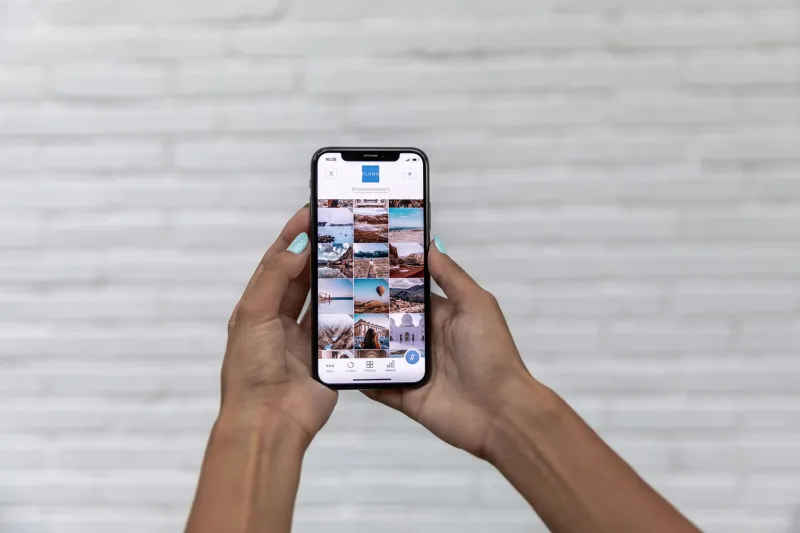
Photo by Photo by Bruno Martins on Unsplash on Unsplash
There is a particular kind of British awkwardness to being stopped at a door. You have not done anything wrong. You were only having a look. But there is a person in a lanyard asking whether you are on the list, and suddenly the whole pavement feels involved.
A lot of UK apps now work like that lanyard. You hear about one on the bus, you tap through, and instead of a shop window you get a registration form. In November 2026, with more services pushing accounts for everything from parking to pasties, we decided to test twenty of them. Not for security, not for speed, but for simple curiosity. How much can you actually see before someone asks you to sign your life away?
The rules of the test
We kept it deliberately low-tech. For each app, we asked three questions. Can you browse or search without an account? Can you see prices, menus, availability or listings? And if you do sign up, how easy is it to leave?
We scored the first two as the look-and-touch phase. The third was the exit interview. Apps that let you look, compare and make a decision without an account got a quiet nod. Apps that turned the shop window into a toll booth got a note in the margin.
The ones that let you window-shop
Citymapper was the easy winner. Open it, type a destination, get a route. No account, no email, no cheerful prompt to join the community. National Rail Enquiries is similarly grown-up: you can check a train time without being enrolled in a loyalty scheme.
Rightmove and Zoopla let you browse listings and see prices before asking who you are. You need an account to save a search or contact an agent, which feels fair enough. Gumtree is similar. You can look at the sofa. You just cannot message the person selling the sofa until you have a profile.
BBC iPlayer is the interesting one. The content is free to licence-fee payers, but you still need to sign in. It is not a data grab in the same league as a shopping app, but it is a door. ITVX and Channel 4 are much the same. The telly is free; the account is the entry fee.
The email toll booth
Deliveroo and Just Eat both let you see restaurants and menus before checkout, though the experience is peppered with prompts. Just Eat generally lets you browse a postcode's worth of takeaways without an account. Deliveroo will show you the shop window, then ask for an email when you try to order. That is a reasonable compromise.
Tesco, Sainsbury's and Asda are murkier. You can often browse groceries, but Clubcard prices and personalised deals start disappearing behind a login. Ocado is more upfront: the shop is visible, but the useful bits want an account.
Trainline lets you search fares without signing up, which is the correct behaviour for a company selling train tickets. JustPark and YourParkingSpace let you see spaces and prices before registration. PayByPhone and RingGo will show you the parking zone, but payment is where the account appears. For a two-minute stay, that is a lot of admin.
The phone number fence
A few apps ask for a mobile number before you have seen anything useful. That is the fence I resent most. An email address is one thing; a phone number feels like being asked to leave a deposit on the pavement.
Wetherspoon, Nando's and Greggs all sit in the loyalty-and-ordering space, and all want some form of registration before the app becomes more than a brochure. Costa and Pret are similar. You can usually buy a coffee without the app, but the app's useful features start after the form.
Boots and Tesco Clubcard are the same story in a different aisle. The card is free, the app is free, but the prices and points are tied to an identity. That is not scandalous. It is just worth knowing before you download something for a quick look.
What they ask for at the door
The standard demand is email, password and first name. The next tier adds date of birth, postcode and mobile number. The most demanding ask for all of the above before you can see a menu, a price or a delivery slot.
We also watched for pre-ticked marketing boxes. Most of the big names now use unticked consent boxes, which is the right way round under UK GDPR. A few still nudge with wording like 'keep me updated' next to a switched-on toggle. It is not illegal; it is just cheeky.
The exit interview
Signing up is easy. Leaving is where the personality shows.
Vinted and Depop put account deletion in settings, where it belongs. Monzo and Starling have in-app closure flows, though banking is a special case and should be handled carefully. Trainline and JustPark let you delete an account without writing a letter.
Others are slower. Some require an email to support, a web form, or a chat with a bot that asks whether you are sure. One parking app made us confirm by email, then wait for a second email, then log in again to complete the deletion. That is not a clean break; that is a hostage negotiation with a receipt.
The verdict
A good app lets you look before you leap. It shows you the menu, the price or the route, then asks for an account when you actually need one. A bad app treats registration as a toll booth on the pavement outside the shop.
Of the twenty we tested, the ones that respected a curious browser were mostly the transport, property and listing apps. The ones that put the form first were mostly food, loyalty and parking. None of them were evil. But if an app cannot show you what it does without your email address, it is worth asking what the email address is really for.
In 2026, the sign-up wall is still the default. The least we can do is notice where it has been built.